
Heen Bovitiya Benefits: 3 Real Doses, Honest Results
Three human clinical trials have tested Heen Bovitiya so far. One used a capsule. One used loose tea. One used leaf powder steeped at home. Each ran for a different length of time, and each used a different amount. None found a serious side effect.
That combination is unusual for an herbal product. It points to the real question behind heen bovitiya benefits. Not whether the plant does something, but how much to take, how often, and in which form. No study has tested tea, powder, and capsule directly against each other. Each trial measured a different outcome, not a side-by-side comparison. Anyone who has already read about the liver studies or the blood sugar trial usually lands on the same next question. This guide answers it directly, using only the amounts, timelines, and routines that have actually been tested in real people.
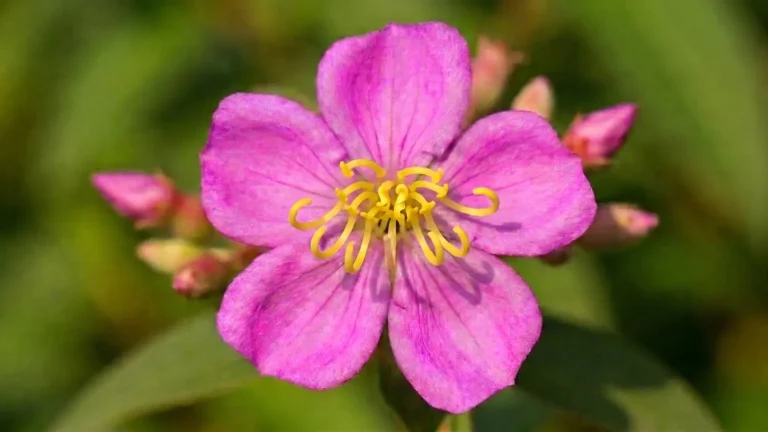
Heen Bovitiya, known scientifically as Osbeckia octandra, grows only in Sri Lanka. Traditional healers there have used it for generations, mostly as a tea for liver and digestive complaints. Sri Lankan hospitals have since tested that traditional use in controlled trials. Tea drinkers were compared against people who received standard medical care alone. The results showed real, measurable improvement in specific areas, most clearly in liver scarring and blood sugar control.
What those trials rarely explain is the practical side. A hospital study measures outcomes across a fixed group of patients on a fixed protocol, tracking specific markers over a set period. A person deciding whether to add this tea to their own routine needs something more specific. A sensible daily amount. A realistic sense of how long results take to show up. A way to tell a genuine product from an imitation. That is the gap this guide fills.
The sections ahead walk through exactly that. You will find the three doses researchers have actually tested, side by side, along with a sensible general range for everyday use. You will see how timing and frequency change the picture, since some benefits responded to a stricter routine than others in the actual trials. You will also get a realistic timeline, based on how long each trial ran before finding a measurable result, rather than a vague promise. A closing section covers what to look for when buying Heen Bovitiya. Sourcing matters more here than it does for most herbal teas. A documented mix-up with look-alike plants is a real, ongoing issue in the trade.
Heen Bovitiya Benefits: What the Research Actually Shows
Three areas have the strongest human evidence behind them. Here is the short version of each. The point of this guide is what to do with that evidence, not a full re-walk of the trials themselves. For the complete trial-by-trial breakdown, see this site’s dedicated guide, Heen Bovitiya Health Benefits: What Peer-Reviewed Science Actually Proves.
Liver health: A sixteen-week hospital trial followed 122 patients with fatty liver disease. Tea drinkers showed a significantly higher rate of improvement in liver scarring, compared to a group that received standard care alone. In the tea group, 88.5 percent improved. In the comparison group, 73.3 percent did.
Blood sugar: A separate one-month trial gave thirty patients Heen Bovitiya leaf powder twice daily. Average fasting blood sugar dropped by about 13 mg/dL, a meaningful reduction confirmed through statistical testing.
Cholesterol and liver enzymes: A third trial tested a capsule combining Heen Bovitiya with aloe vera over two months. Both major liver enzymes dropped significantly, along with cholesterol, LDL, and triglycerides. Ultrasound imaging confirmed a visible reduction in liver fat. This result reflects the combination product, though, not Heen Bovitiya on its own.
These three areas have the strongest evidence behind them specifically. Other effects get mentioned in connection with this plant too, including immune and nerve support. Those come from lab studies alone so far, not confirmed human trials. This guide sticks to the areas with real trial data behind them, since that is what a practical decision should rest on.
Underneath all three findings sits one shared mechanism: a strong antioxidant and anti-inflammatory effect. This plant carries that effect at unusually high levels, compared to many common reference foods. That single mechanism is the reason the same plant shows up across such different areas of research.
None of this changes what actually matters for building a routine, though. A hospital trial confirms that something real is happening. It does not say how much to take, how often, or what to expect along the way. That is where the rest of this guide picks up.
How Much Heen Bovitiya to Take
There’s no single official dose for Heen Bovitiya. What exists instead is more useful: three actual doses that researchers gave to real people in controlled trials. Each one was tracked closely enough to confirm it was well tolerated.
The Three Doses Actually Tested
| Form | Amount | Duration | Result |
|---|---|---|---|
| Capsule (combined with aloe vera) | 900 mg per day | 2 months | Well tolerated, no adverse effects |
| Loose tea or powder | 6 grams every other day | 16 weeks | No acute side effects |
| Leaf powder, steeped | About 10 grams per day, split into two doses | 1 month | Highest daily amount tested; liver function stayed normal |
These three numbers don’t convert cleanly into each other. A capsule extract concentrates the plant’s compounds more tightly than raw leaf powder does. How that powder gets prepared changes its strength again. Comparing 900 mg of capsule to 10 grams of steeped powder gram-for-gram would be misleading, since they aren’t measuring the same thing.
For a general starting point, one to two servings a day sits comfortably within everything that has actually been tested. That range isn’t a clinical prescription. It’s simply the space where real trials, using real doses, came back without a serious side effect.
One number worth setting aside entirely: animal studies have tested much higher amounts, described in milligrams per kilogram of body weight. Those figures matter for researchers studying how the plant behaves at extreme doses. They don’t translate into a “safe human amount,” and stretching them that way would be a mistake.
A Caution on the Traditional Porridge
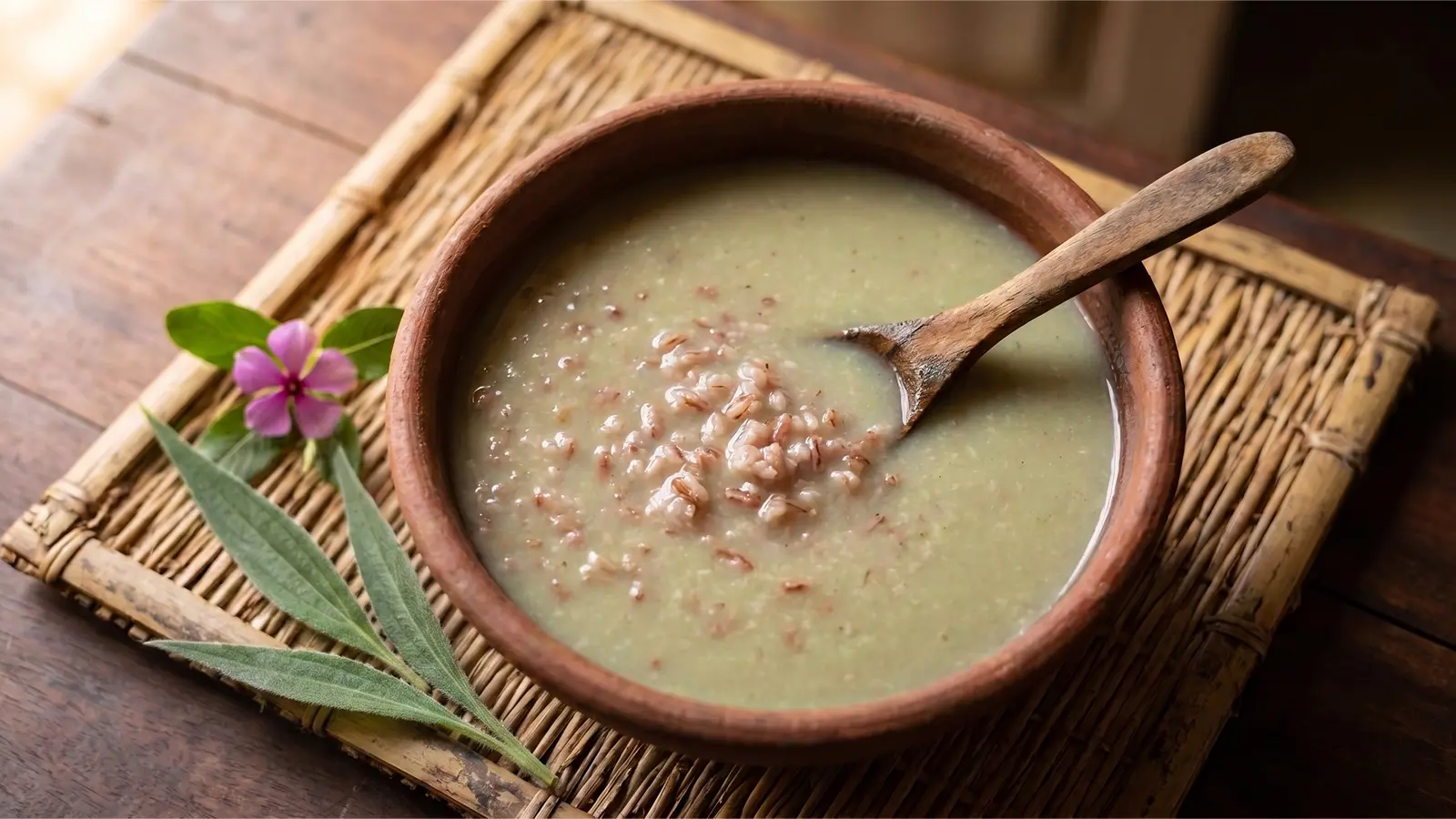
Tea and powder aren’t the only traditional ways to take this plant. Kola Kenda, a porridge made from fresh leaf juice, coconut milk, and rice, is a stronger, more concentrated preparation. Traditionally, it’s eaten first thing in the morning, on an empty stomach. Nutrition research specifically warns that eating it often, and in large amounts, can strip the body of essential fatty acids over time.
Two other traditional preparations exist beyond tea, powder, and capsule. Neither has been tested in the controlled trials covered here, though. Fresh leaf juice, crushed and strained, provides a more concentrated dose and is traditionally reserved for acute conditions. A root decoction, boiled for twenty minutes, is considered stronger than leaf tea and traditionally used for more severe liver problems. Both fall outside the amounts and forms this guide can speak to with trial-backed confidence. Neither is a substitute for medical care in a genuinely severe situation.
This caution doesn’t apply to a normal cup of tea or a standard capsule. It’s specific to that one concentrated, traditional preparation. The honest takeaway is simple: even a genuinely traditional food deserves the same moderation any concentrated dose of a bioactive plant should get.
Choosing an amount is only half the picture, though. When and how often that amount gets taken changes the results just as much, which is where the next section picks up.
Building Heen Bovitiya Into a Daily Routine
An amount is only one piece of a routine. When that amount gets taken, and how often, both change what actually shows up in the results.
Timing: Before Meals, for Blood Sugar Specifically
Traditional Sri Lankan practice recommends drinking Heen Bovitiya tea before meals, specifically for blood sugar. The reasoning behind this timing is straightforward. Taking it before eating is thought to reduce how much sugar the body absorbs from the food that follows.
This detail deserves an honest label. It comes from generations of traditional use, not from a controlled trial. None of the three human trials covered in this guide tested meal timing as a variable. Anyone building blood-sugar-focused use into their day can still follow this traditional guidance, just with that distinction in mind.
How Often Matters, Depending on the Goal
Frequency turns out to matter, but not evenly across every benefit. The 122-patient trial gave tea every other day, and blood sugar changes there were not statistically significant. A separate, smaller trial gave leaf powder twice daily, and blood sugar dropped by a meaningful amount.
Liver support followed a different pattern. That same 122-patient trial, using every-other-day dosing, still found a significant improvement in liver scarring.
The practical takeaway splits in two directions. Daily or twice-daily use looks more important if blood sugar is the main goal. Less frequent use still appeared to support the liver in the trial that tested it.
Brewing It, If Tea Is Your Form
Brewing method changes how much benefit actually ends up in the cup, for anyone choosing tea specifically. The best-tested method uses water just below boiling, around 80°C or 176°F, steeped for a full seven minutes. That is longer and cooler than most people expect from an everyday cup of tea.
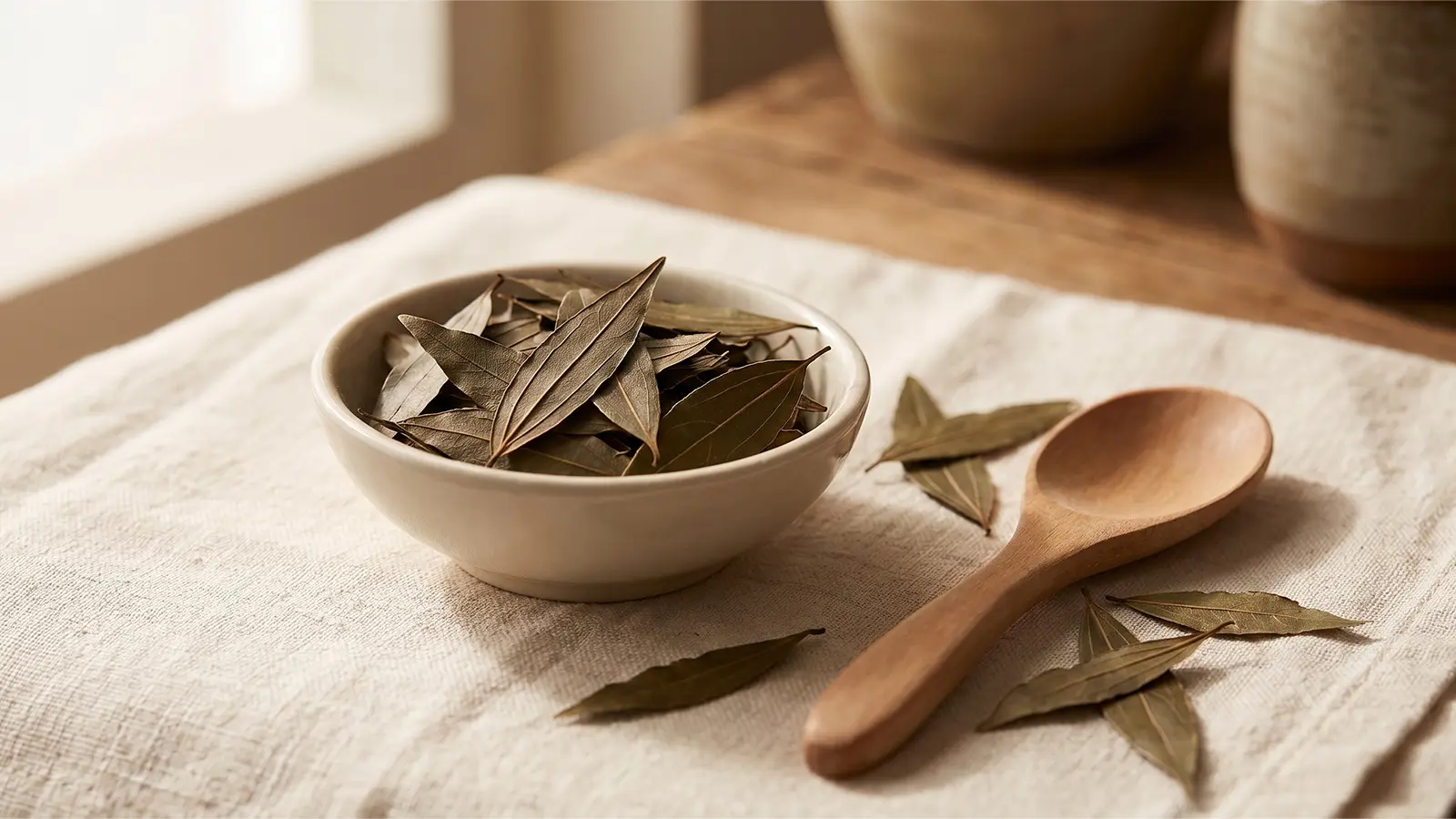
This site’s guide to Heen Bovitiya tea benefits covers the full method and the research behind it. The headline number is enough here. That specific combination of temperature and time pulled out more antioxidant activity than boiling water did in direct testing. One small technique matters too. Dunking or gently stirring the tea bag a few times while it steeps speeds up how quickly those compounds move into the water.
An older, looser tradition also exists. Dried leaves steeped for about ten minutes, taken two to three times daily, is the more informal method passed down through generations. It is a different approach from the newer, evidence-optimized one, not a replacement for it.
Getting the amount and the routine right sets up a fair question: how long before any of this actually shows up? That’s next.
What to Realistically Expect, and When
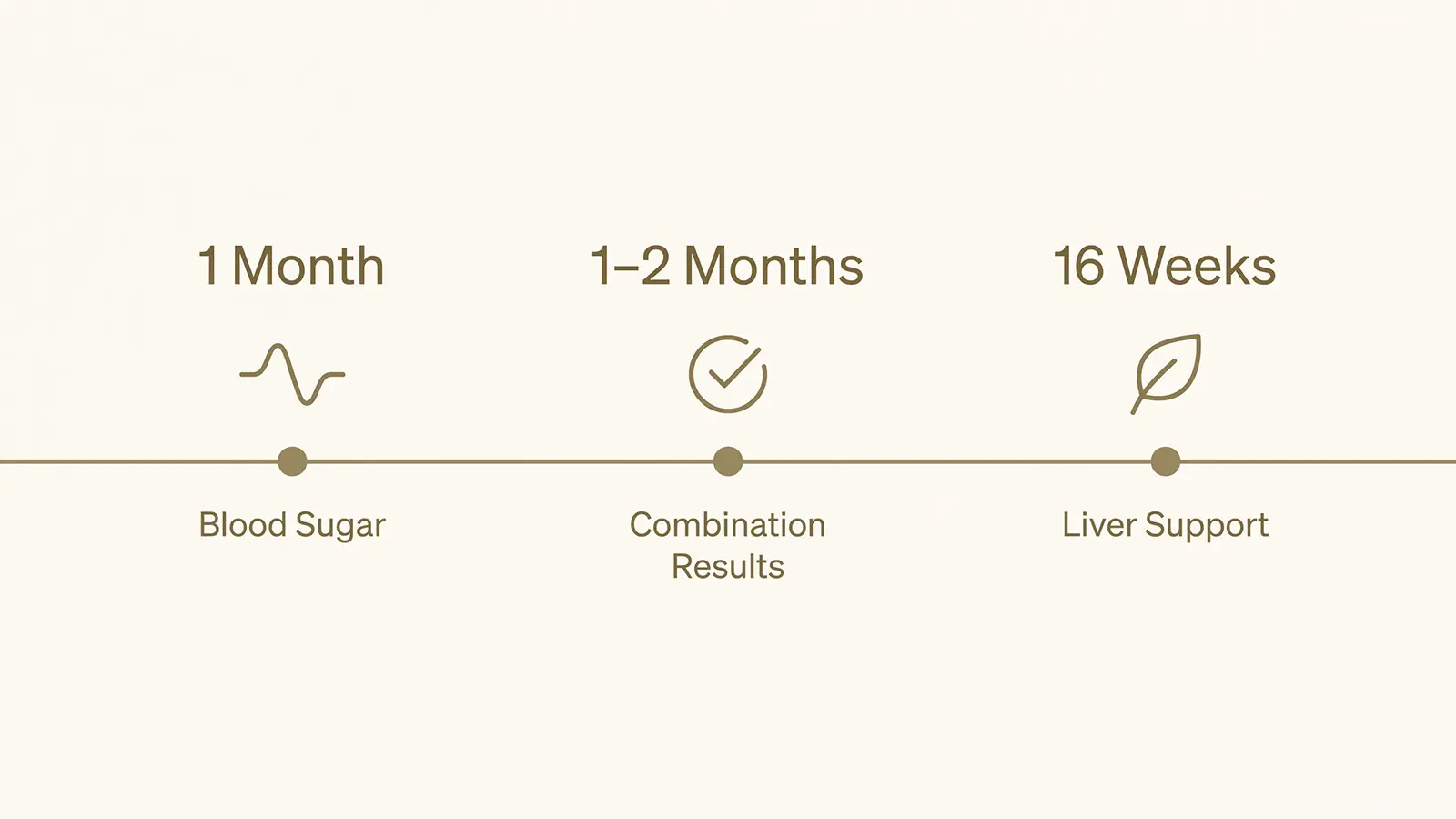
“How long until I notice something?” is one of the most common questions about any herbal product, and it deserves an honest answer. The most honest one available comes from the trials themselves: how long each one ran before finding a measurable change. That is different from a personal guarantee, since a trial average describes a group of people, not any one individual.
Blood sugar: The trial that measured this most directly ran for one month, with participants taking leaf powder twice daily. By the end of that month, average fasting blood sugar had dropped by a meaningful amount. One month, with consistent twice-daily use, is the honest timeline this specific trial supports.
Liver scarring: The largest trial ran for sixteen weeks, about four months, with participants drinking tea every other day. That trial found a significantly higher rate of improvement in liver scarring among tea drinkers, compared to those who didn’t drink it. Sixteen weeks is a longer runway than the blood sugar result above.
Liver enzymes, cholesterol, and liver fat: A separate trial found significant improvement in these markers within one month. That improvement continued further by two months. This is the fastest, broadest timeline in this guide. It comes with an important catch, though. This trial tested a capsule combining Heen Bovitiya with aloe vera, not Heen Bovitiya by itself. The result cannot be credited to Heen Bovitiya alone.
Which timeline applies most depends on how the tea is actually taken. Someone drinking it only every other day has more in common with the sixteen-week liver trial than with the twice-daily blood sugar trial. Someone taking it twice daily is closer to the faster blood sugar timeline.
That last point is worth repeating plainly, since this is exactly the section where it matters most. Those numbers belong to a combination product, not to Heen Bovitiya by itself. Anyone drinking plain tea or taking a single-ingredient capsule should expect the slower timelines above, not the one-month combination-capsule result.
None of these numbers are promises. They are the honest length of time each specific trial ran before its researchers found something worth reporting. Individual results will vary, the way they do with any supplement or herbal product. A trial average reflects a whole group of people, not any single person drinking a single cup of tea. A fair checkpoint for most people falls somewhere in that same range, from one month to about four. Which end applies depends on which benefit matters most, and how consistently the tea or capsule gets taken.
Choosing a Genuine Product
Buying the right tea or capsule starts with one thing worth knowing upfront: this isn’t the only plant that looks like Heen Bovitiya.
In the raw herbal market, Heen Bovitiya is sometimes confused with two look-alike species: Osbeckia aspera and Melastoma malabathricum. Neither carries the same documented benefit profile. This isn’t a rare or theoretical concern. It’s a known, documented issue in the herbal trade.
For most people using Heen Bovitiya for general wellness, buying an unverified or mislabeled product mainly risks disappointment. A tea made from the wrong plant simply won’t deliver the benefits covered throughout this guide, even if it looks and smells similar. That’s a frustrating outcome specifically because of everything covered above. Following the right amount, the right timing, and enough patience only pays off if the plant inside the package is the real one.
For anyone taking blood-thinning medication specifically, this mix-up carries a more serious safety consideration. The Side Effects article covers that consideration in full.
The practical fix is straightforward. Buy from a source that tests and verifies the actual plant inside the package, rather than relying on foraged or unverified material. A trustworthy seller should be able to speak to how that verification happens, not just state it on a label. A tested, traceable product removes the guesswork this entire guide has been built around. The real amount, the real timeline, and the real plant all depend on starting with the genuine one, not an approximation of it.
Sourcing well solves one problem. The next section covers the other side of buying with confidence: what the safety research actually shows.
Safety at a Glance
General safety here has a wide margin. Standard animal testing found no toxic effects, even at doses up to 2,000 milligrams per kilogram of body weight. That’s far beyond anything a tea drinker would ever consume. A separate screening test, run on brine shrimp, also classified the extract as non-toxic under standard scientific thresholds. Kidney function, checked through a marker called creatinine, stayed completely normal across every human trial covered in this guide. That held true even with daily or twice-daily use over one to two months. The same three trials that shaped the dosing guidance earlier reported the same reassuring pattern. No serious adverse event turned up in any of them, across every dose actually tested.
That’s the honest extent of what belongs in a guide about everyday use. It leaves out real, important questions, though. This guide isn’t the right place to answer them. The Side Effects article covers each one directly, using the same trial-by-trial evidence used throughout:
- Which specific drug classes carry a genuine interaction risk
- Who should avoid Heen Bovitiya entirely
- What the allergic reaction data actually shows
- Where the real dosage thresholds sit
Anyone taking regular medication, pregnant, breastfeeding, or managing a condition that could interact with this plant should read that article first. It’s the right next step before adding Heen Bovitiya to a daily routine. For everyone else, the general safety picture above is the reassuring baseline this whole guide has been building on.
Conclusion
This guide has tried to answer heen bovitiya benefits honestly. Three questions mattered most: what the evidence actually supports, how much to take, and what to realistically expect along the way.
The liver, blood sugar, and cholesterol findings covered earlier are genuinely backed by human trials, not just tradition or lab studies alone. Three different doses, in three different forms, have each been tested without a serious side effect. That combination of real evidence and a wide safety margin is what makes the practical questions in this guide worth answering carefully.
The honest picture has real texture to it, though, and that texture matters more than a single, one-size-fits-all number. Consistency looks like it matters more for blood sugar than for liver support. A realistic timeline runs from about one month to four, depending on the benefit and the routine. The fastest results in the research come from a combination product, not Heen Bovitiya on its own. That’s worth remembering before expecting the same speed from a plain cup of tea.
Getting the plant itself right closes the loop. A verified, tested source is what makes every other piece of this guide, the amount, the timing, the timeline, actually apply.
Consider how the pieces connect. A genuine product only delivers the dose it claims to. That dose only works as well as the routine built around it, the meal timing for blood sugar, the frequency for liver support. And the routine only pays off on the honest timeline covered above, not a rushed one. Skipping any single piece weakens the rest.
None of this replaces medical care, and none of it should be read as a promise. What it offers instead is a realistic, evidence-based starting point. A sensible amount, a sensible routine, and a fair sense of how long to wait before deciding whether it’s working. That is a genuinely useful place to start. It works whether the goal is liver support or blood sugar control. It also works as simply a well-founded reason to try something Sri Lankan households have used for generations.
Frequently Asked Questions
Q: How much Heen Bovitiya should I take per day?
A: There’s no single official dose. Three human trials tested different amounts, and none produced a serious side effect. A capsule trial used 900 mg a day. A tea trial used 6 grams every other day. A leaf powder trial used about 10 grams a day, split into two doses. For general use, one to two servings a day sits within that tested range.
Q: What’s the best time of day to take it?
A: Traditional practice recommends taking it before meals, specifically for blood sugar support. The reasoning is that this timing reduces how much sugar the body absorbs from the food that follows. This comes from traditional use, not a clinical trial that directly tested timing.
Q: How long before I notice a difference?
A: It depends on the benefit and how consistently it’s taken. The trial measuring blood sugar found a significant drop within one month, with twice-daily use. The trial measuring liver scarring found improvement at sixteen weeks, with every-other-day use. The fastest results, at one to two months, came from a capsule combining Heen Bovitiya with aloe vera, not Heen Bovitiya alone.
Q: Which form should I start with — tea, powder, or capsule?
A: No trial has tested tea, powder, and capsule directly against each other, so there isn’t a research-backed “best” form. Each was tested for a different primary outcome. Tea is the most studied and most practical everyday option, backed by a specific, tested brewing method.
Q: How do I know I’m buying the real plant?
A: Heen Bovitiya is sometimes substituted in the raw herbal market with two look-alike species, Osbeckia aspera and Melastoma malabathricum. Neither carries the same documented benefits. Buying from a source that tests and verifies the actual plant inside the package is the most reliable way to avoid this.
Q: Is it safe to take long-term?
A: The general safety picture is reassuring. Standard animal testing found no toxic effects, brine shrimp screening classified it as non-toxic, and kidney function stayed normal across every human trial. For the full picture on drug interactions, who should avoid it, and other specific precautions, the Side Effects article covers that in depth.
Q: Is it the same as drinking regular green or black tea?
A: No. Heen Bovitiya comes from an entirely different plant, Osbeckia octandra, a shrub that grows only in Sri Lanka. It’s brewed differently too. The best-tested method uses water just below boiling, steeped for a full seven minutes. That’s longer and cooler than most green or black tea recipes call for.
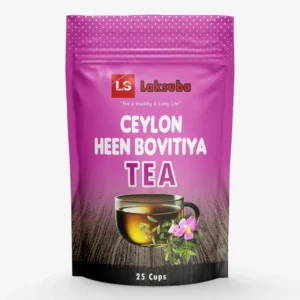
Ready to put this into practice? Heen Bovitiya Tea Bags are available in the Laksuba shop. They’re tested and verified, so the sourcing question covered in this guide is already handled.