5 Heen Bovitiya Tea Benefits Backed by Clinical Trials
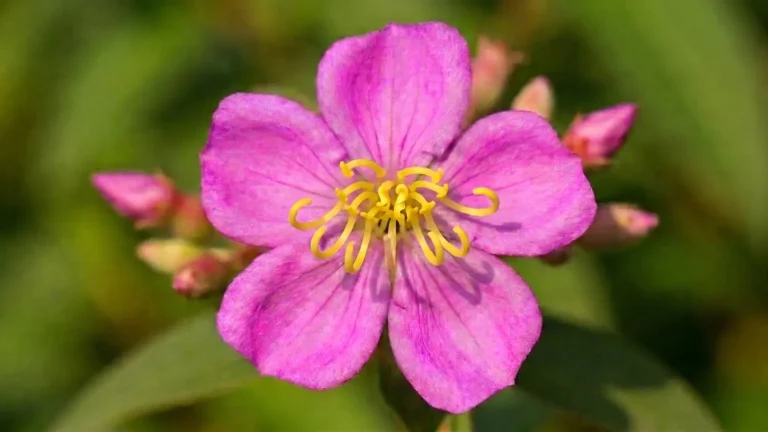
In Sri Lanka, one small shrub has served as home medicine for centuries. Families call it Heen Bovitiya, though older texts sometimes use the name Kuruvina. Its scientific name, Osbeckia octandra, comes from a Latin word that means “eight stamens.” That name is a nod to the small purple-pink flowers that give this plant its striking look.
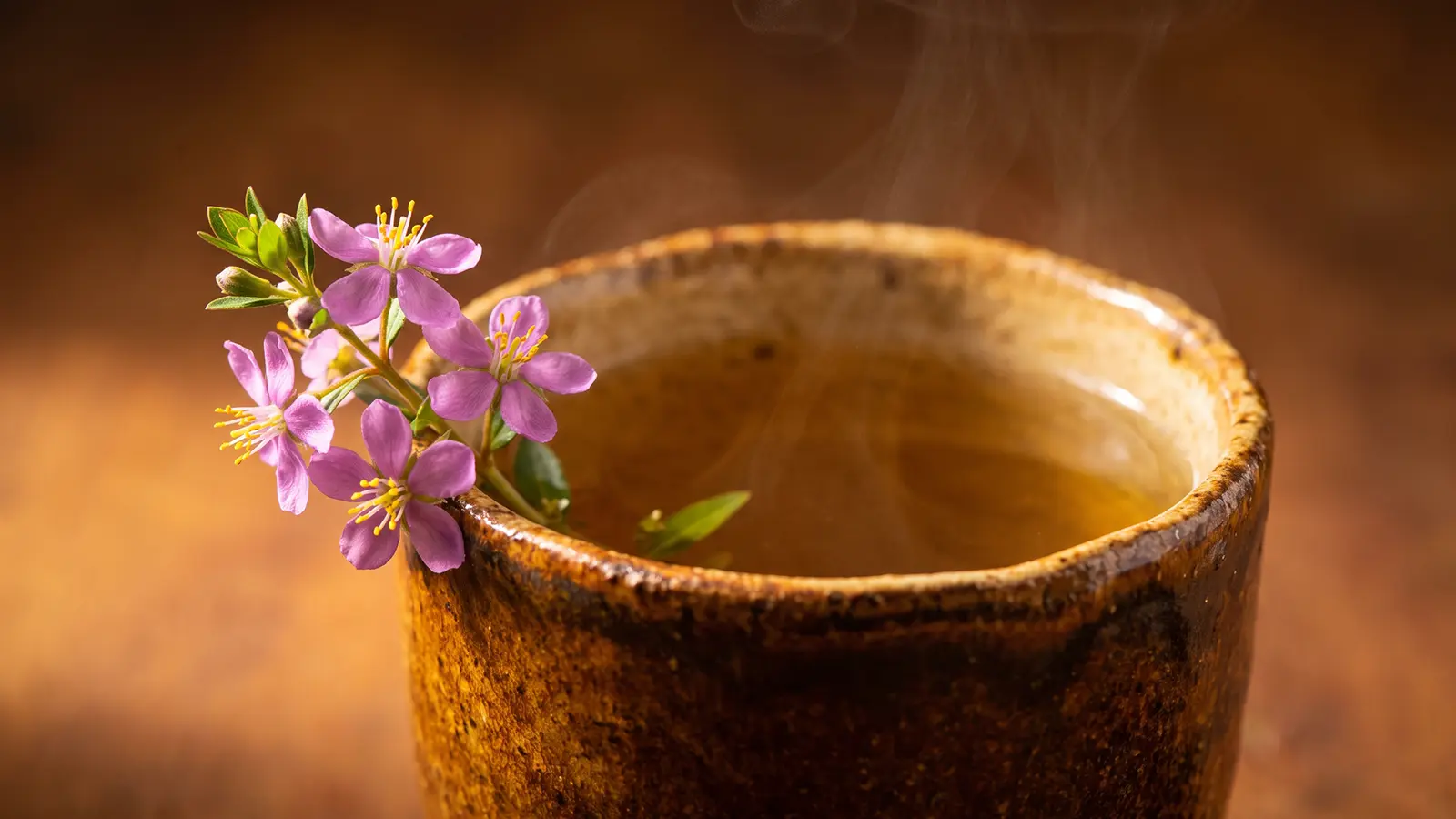
People dry the plant’s leaves and steep them into a golden-brown tea. The heen bovitiya tea benefits behind that simple cup go back generations. Traditional healers have long used it as a home remedy for liver trouble, jaundice, and low energy. They also brewed it into a thicker decoction for more serious cases, and used fresh leaf juice when a stronger dose was needed.
Today, hospitals are now putting this same plant to the test. Doctors at Colombo North Teaching Hospital studied its effects on liver health directly. Their trial included more than one hundred patients with fatty liver disease, followed for sixteen weeks. A separate trial at an Ayurveda hospital clinic tested its effects on blood sugar in diabetes patients. Together, these studies connect old family wisdom to modern medical science in a way few traditional remedies can claim.
This guide breaks down what makes this tea different from familiar drinks like green tea or black tea. You will learn about the natural compounds inside its leaves, plus the exact brewing method that pulls out the most benefit. Even small changes in water temperature change the result. You will also see what clinical trials found about its effects on the liver, blood sugar, and cholesterol.
Liver problems and blood sugar troubles affect people everywhere, not only in Sri Lanka. This plant, however, grows nowhere else on Earth. It thrives only in Sri Lanka’s wet hill country, between one thousand and two thousand meters above sea level. That rarity, combined with modern clinical testing instead of only old stories, is what makes Heen Bovitiya tea worth a closer look.
What Is Heen Bovitiya Tea?
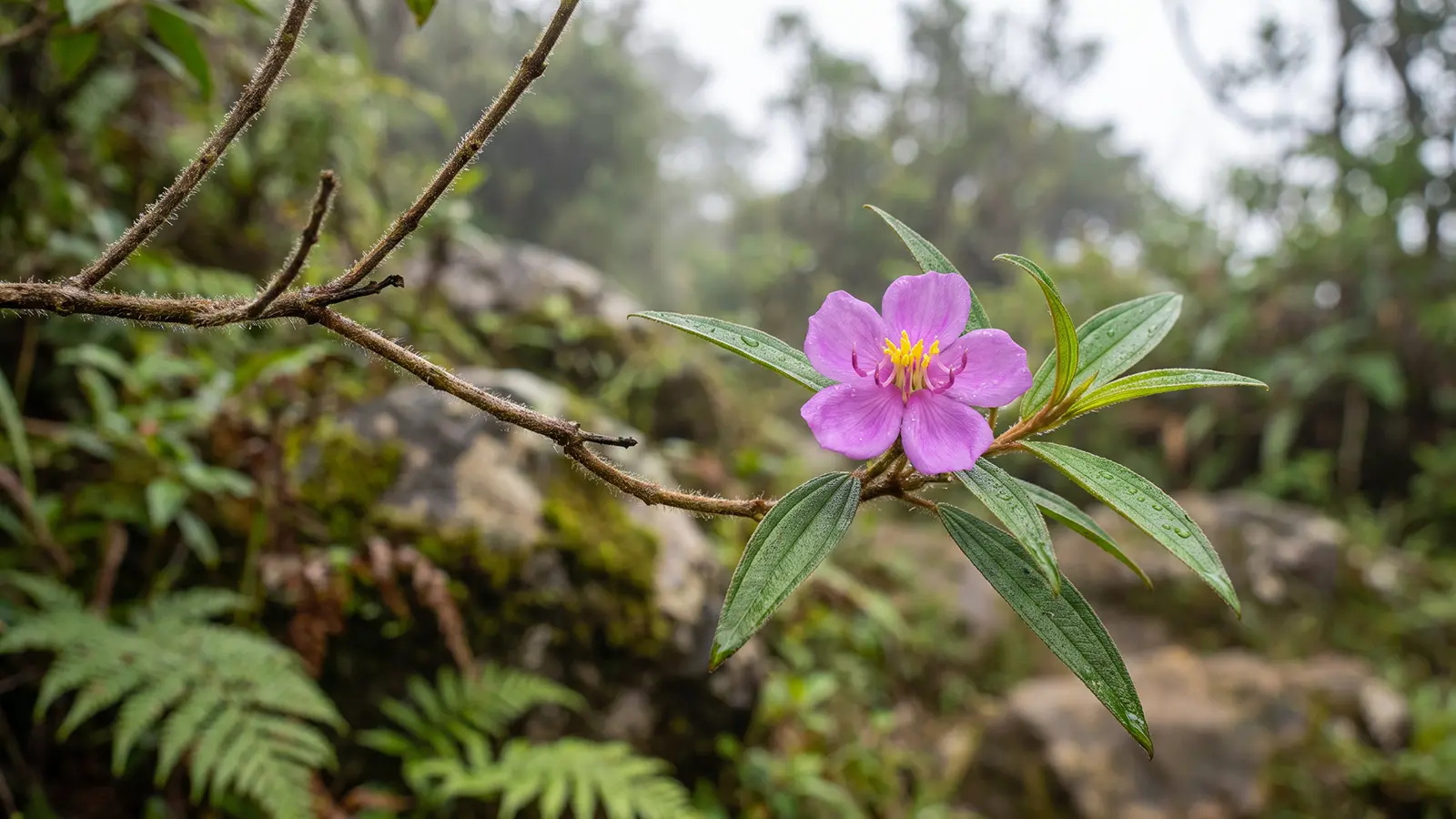
Heen Bovitiya is a small shrub that grows wild across Sri Lanka’s hill country. It can grow up to two meters tall, with thin branches covered in tiny hairs. The leaves are small, only a few centimeters long, with three visible veins running down each one.
To make tea, growers dry these leaves in the sun or in shade. Dried leaves keep their strength for months, which is why they work so well as a packaged tea. Fresh or dried, the leaf is where nearly all of the plant’s benefit lives.
But the real story behind heen bovitiya tea benefits is not the leaf itself. It is what’s packed inside it.
The Natural Compounds That Make It Work
Scientists have studied the chemical makeup of this plant closely. Two compounds stand out the most.
Casuarinin: This is the most studied active ingredient in the plant. It is a natural tannin, a type of plant compound known for a bitter, drying taste. Casuarinin fights inflammation, protects nerve cells, and appears to help stop scarring in the liver. On its own, the body does not absorb it very well, since it is a large molecule that prefers water over fat. This is why some commercial products pair it with black pepper, which helps the body take in more of it.
Lupeol: This compound works differently. It is fat-soluble. That means it moves through the body better when paired with a fat, such as coconut milk, rather than plain water. Lupeol helps protect and stabilize the outer wall of cells and lowers inflammation throughout the body.
Beyond these two, the leaves hold a wide range of other antioxidant compounds, including gallic acid, quercetin, and kaempferol. These same compounds are also found in everyday foods like onions and apples. In Heen Bovitiya, they work to block sugar damage to proteins in the blood and to support healthy blood vessels. The leaves also contain osbeckic acid, a compound found almost only in this plant genus. Early research links it to more relaxed, healthy blood flow.
Put together, these compounds give the plant an unusually high antioxidant content. Antioxidants matter because they protect the body’s cells from a kind of everyday wear and tear called oxidative stress. This wear and tear builds up over time and plays a role in many chronic health problems.
Researchers tested Heen Bovitiya plants from three different regions of Sri Lanka: the south, the west, and the hill country near Uva. Across those regions, phenolic content, a standard measure of antioxidant strength, ranged from about 483 to 667 milligrams per gram of extract. That is a very high number compared to most food plants. This antioxidant strength is the foundation for nearly every benefit covered later in this guide, from liver support to blood sugar to heart health.
How to Brew It the Right Way
Unlocking the full heen bovitiya tea benefits starts with how you brew it, not just what you brew. Most people brew tea the same way every time: boil water, pour, and steep for a minute or two. For Heen Bovitiya, that common habit actually works against you. Scientists tested different water temperatures and steep times to find out what pulls the most benefit from the leaf. The results surprised even the researchers.
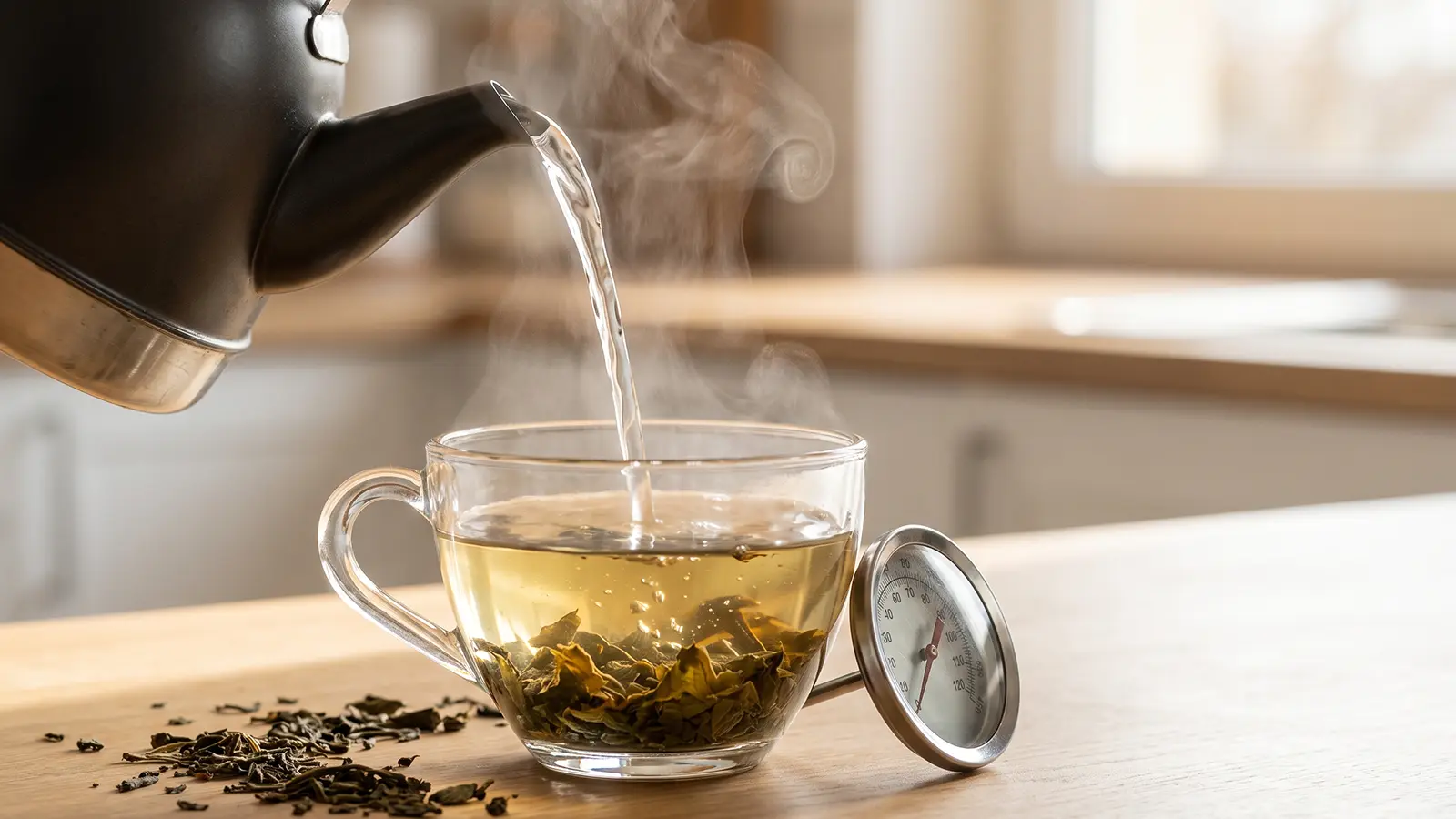
Boiling water, it turns out, is the worst choice. Full boiling heat breaks down the delicate antioxidant compounds and tannins that give this tea its benefit. The best result came from a lower temperature: water heated to about 80 degrees Celsius, or 176 degrees Fahrenheit. Researchers steeped it for a full seven minutes.
In one detailed test, researchers measured both phenolic content, a marker of antioxidant strength, and overall antioxidant activity at each temperature. Water at 100 degrees Celsius, full boiling, produced about 1,650 milligrams of phenolic content per 100 grams. Water at 90 degrees Celsius produced about 1,710 milligrams. Water at 80 degrees Celsius produced the highest result of all: about 1,929 milligrams. Antioxidant activity followed the same pattern, peaking at 80 degrees Celsius as well.
This happens because the beneficial compounds are trapped inside the plant’s cells. They need time to move out into the water. Heat speeds up that movement, but too much heat destroys the very compounds it is trying to release. Time turns out to be a safer way to boost extraction than heat, once the water is already warm enough.
How to Brew It, Step by Step
- Boil water as usual, then let it sit for about one to two minutes before pouring. This brings it down to roughly 80 degrees Celsius, just below a rolling boil.
- Pour the water over the tea bag or loose leaves.
- Let it steep for a full seven minutes. This is longer than most people steep regular tea, but the extra time is what pulls out the full benefit.
- Dunk or gently stir the bag a few times while it steeps. This breaks up the still layer of water sitting right against the leaf. That lets the good compounds move into your cup more quickly.
One more small detail can affect your cup. If your water is naturally hard, meaning it carries a lot of dissolved minerals, it can react with the tea’s tannins. This can form a thin, cloudy film on top. This film looks unusual, but it is harmless and does not meaningfully reduce the tea’s benefit.
This brewing method is for making tea specifically. Traditional preparations sometimes call for boiling the dried leaves much longer, for ten to twenty minutes. This makes a stronger decoction meant for more serious conditions. Fresh leaf juice is used instead for acute cases. For a daily cup of Heen Bovitiya tea, though, the 80 degree, seven-minute method is the one backed by the clearest evidence. A pre-portioned tea bag makes this method easy to repeat the same way every time. You are not left guessing how many loose leaves to use, so the results stay consistent from one cup to the next.
Liver Health: The Star Benefit
Among all the heen bovitiya tea benefits covered in this guide, liver health stands out the most. Liver health is where Heen Bovitiya has the longest track record and the strongest research behind it. For centuries, this was the plant’s main use in Sri Lankan homes. Today, it is also the benefit backed by the most solid clinical evidence.
The liver works nonstop, filtering toxins from the blood, processing fat, and storing energy for later use. When it comes under stress, from poor diet, alcohol, or infection, fat and scar tissue can build up over time. This is exactly the kind of damage traditional healers were trying to treat. It is also the same damage modern researchers have measured in the studies below.
A Traditional “Cleansing” Believed for Centuries
In traditional Sri Lankan medicine, healers describe Heen Bovitiya as having a scraping or cleansing action, called Lekhana. They believed it clears fat and toxin buildup from the liver’s pathways. Modern lab research lines up with this old idea in a striking way. The tea does appear to help the liver clear out fat and toxins, just as traditional healers claimed.
What Animal Studies Show
Laboratory studies in animals back up this traditional view in several specific ways. These are animal studies, not human results, but they help explain why the tea may work.
Protection from toxic overdose: In one line of research, animals were given a toxic dose of a common pain reliever, acetaminophen, alongside Heen Bovitiya extract. The extract prevented most of the liver damage that would normally follow. It helped restore the liver’s natural detox molecule, called glutathione. It also kept liver enzymes, the markers doctors use to check for liver cell damage, much closer to normal. The protection still worked even when the extract was given twenty minutes after the toxic dose. This suggests the extract actively steps in to help the liver, rather than just blocking damage ahead of time.
Protection from other liver toxins: Similar protection showed up against other lab chemicals known to damage the liver. In one study, animals given the extract beforehand had liver enzyme spikes cut down sharply. Levels reached only about a tenth of what untreated animals experienced.
Help preventing and reversing liver scarring: Perhaps the most striking animal finding involves liver scarring, also called fibrosis. In long-term studies of liver cirrhosis, extended treatment with the extract sharply reduced the activity of certain cells. These are the specific cells responsible for forming scar tissue. One key scarring marker dropped by nearly twenty-fold with treatment. The extract also suppressed the growth of new blood vessels that normally feed and support scar tissue.
What Human Clinical Trials Show
Animal research is useful, but human trials matter most. Two separate clinical trials tested Heen Bovitiya in real patients, and together they paint a clear picture.
A 122-patient hospital trial: At Colombo North Teaching Hospital, doctors studied 122 patients with fatty liver disease over sixteen weeks. Patients drank 6 grams of Heen Bovitiya tea every other day, alongside their standard medical care. A significantly higher share of tea drinkers showed real improvement in liver stiffness and scarring scores. In the tea group, 88.5 percent improved, compared to 73.3 percent in the group that did not drink the tea.
A key marker of inflammation in the body, called hs-CRP, also dropped significantly in the tea group. Liver fat itself, measured separately from scarring, did not show a significant difference over this specific sixteen-week window. Blood sugar changes were not significant either. Even so, the anti-inflammatory and anti-scarring signal was clear.
A 30-patient capsule trial: A second trial tested a different form: a capsule called Liv-Pro, which combines Heen Bovitiya with aloe vera. Over two months, thirty patients took part in this double-blind trial. In this kind of study, neither patients nor doctors know who receives the actual treatment until the end. Both major liver enzymes, ALT and AST, dropped significantly at both the one-month and two-month check-ins. Cholesterol, LDL, and triglycerides all dropped significantly as well. Ultrasound imaging confirmed a real, visible reduction in liver fat, not just an improvement on paper. Kidney function stayed completely normal throughout the trial, which is reassuring for anyone considering long-term use. No side effects were reported.
What this means for you: These two trials point to slightly different strengths. The tea alone, taken every other day, showed the strongest results for calming inflammation and slowing liver scarring. The capsule, taken daily, showed the most visible reduction in liver fat itself on ultrasound. Together, the two studies suggest that even modest, every-other-day tea drinking is enough to protect the liver in a measurable way.
Blood Sugar Support
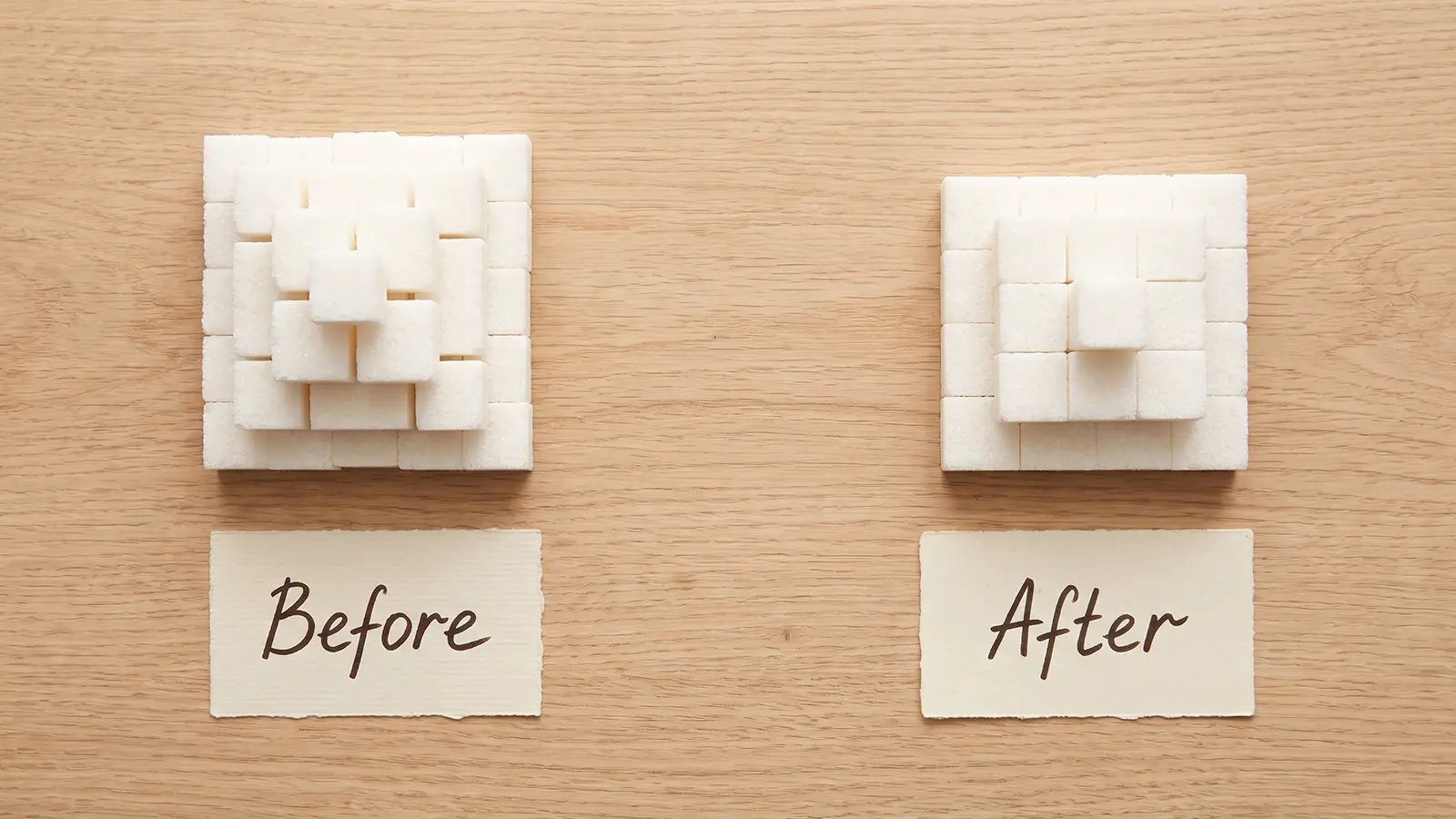
Blood sugar support is one of the clearest heen bovitiya tea benefits, and the second major area with solid trial data behind it. The plant appears to work on blood sugar in two separate ways, and both are backed by lab and human research.
How It Helps Control Blood Sugar
Slowing sugar absorption in the gut: After a meal, the body needs certain digestive enzymes to break carbohydrates down into sugar the bloodstream can absorb. Heen Bovitiya’s compounds block one of these enzymes, called alpha-glucosidase, very strongly. In lab tests, blocking reached as high as 99 percent at higher concentrations. It blocks a second enzyme, alpha-amylase, only gently.
That gentle touch on alpha-amylase actually matters. Some diabetes drugs, like acarbose, block this same enzyme too aggressively. When that happens, undigested starch dumps into the gut, causing bloating, gas, and diarrhea. Heen Bovitiya avoids that side effect while still controlling the sugar spike through its strong action on the second enzyme.
Helping the body handle sugar already in the blood: The plant’s second mechanism works after sugar has already entered the bloodstream. Insulin is the hormone that moves sugar out of the blood and into the body’s cells, where it gets used for energy. In animal studies, blood sugar dropped most sharply about three hours after the extract was given. That timing closely matches a common diabetes medication called tolbutamide. This suggests Heen Bovitiya may help insulin work better in the body, not just slow down digestion.
What a Human Trial Found
Lab and animal findings are one thing, but results in actual patients matter most. Thirty patients, between the ages of 30 and 65, took part in a trial at a hospital Ayurveda outpatient clinic. All had a fasting blood sugar between 115 and 200 mg/dL at the start. They took two spoonfuls of Heen Bovitiya leaf powder steeped in warm water, twice a day, for one month.
By the end of the month, average fasting blood sugar had dropped by about 13 mg/dL, a statistically meaningful reduction. Liver function tests stayed completely normal throughout the trial, which confirms the treatment did not stress the liver even with twice-daily use.
Why consistency seems to matter: This result lines up with an important pattern across the research. The larger 122-patient trial covered earlier in this guide had people drink tea only every other day. Blood sugar changes there were not significant. In this smaller trial, patients drank Heen Bovitiya twice every single day. Blood sugar dropped in a way researchers could measure with confidence. Together, these two trials suggest that drinking Heen Bovitiya more consistently may matter most for blood sugar control specifically. Even so, less frequent drinking still helped other benefits, like liver inflammation.
Protecting Against Long-Term Sugar Damage
Blood sugar control matters for another reason beyond day-to-day energy. When blood sugar stays high over time, sugar molecules start sticking to proteins throughout the body. Scientists call this process glycation, and the sticky compounds that form are called AGEs, short for advanced glycation end products. It happens gradually in anyone with poorly controlled blood sugar, and it slowly damages blood vessels, nerves, and eyes. This is the same process behind long-term diabetes complications, like nerve damage and vision problems.
Heen Bovitiya’s antioxidants step in and interrupt this sugar-sticking process. In lab tests, they worked at a very low concentration. Gram for gram, they worked more effectively than a reference anti-glycation drug tested side by side in the same study. For someone managing blood sugar day to day, this kind of protection works quietly in the background. It matters well beyond just the number on a glucose meter.
Heart Health and Cholesterol Support
Heart health is closely tied to liver health. The same trials that measured liver improvements also tracked cholesterol and other markers of heart health.
What the Trials Found
Across the clinical trials covered earlier in this guide, regular Heen Bovitiya use was linked to measurable improvements in several heart-related numbers. Total cholesterol, LDL cholesterol, often called “bad” cholesterol, and triglycerides all dropped. HDL cholesterol, the “good” kind, rose slightly.
In the 122-patient hospital trial, triglycerides dropped by about 6 percent, alongside a small rise in HDL. The capsule trial covered earlier showed even larger drops in total cholesterol, LDL, and triglycerides. Researchers measured these changes together with the liver improvements in that same study.
These numbers matter because of what they do over time. High LDL and triglycerides, left unchecked, contribute to plaque buildup inside artery walls. Over years, this buildup narrows the arteries and raises the risk of heart attack and stroke. Small, steady improvements in these numbers, the kind seen in these trials, add up to real protection over the long run.
How Heen Bovitiya Supports Heart Health
A liver signal that burns fat instead of storing it: One key mechanism involves a signal inside the liver called PPAR-alpha. Think of it as a switch that tells the liver whether to store fat or burn it for energy. Heen Bovitiya’s compounds appear to switch this signal toward burning fat instead of storing it. In animal studies, this effect was similar in size to a common cholesterol medication called atorvastatin. This matters most for triglycerides specifically, since triglycerides are a direct measure of fat stored in the bloodstream. A liver that burns more fat instead of storing it naturally has less fat circulating for triglyceride tests to pick up.
Protecting cholesterol from becoming more dangerous: There is a second, quieter mechanism at work too. Not all LDL cholesterol carries the same risk. When LDL becomes “oxidized,” meaning it reacts with unstable molecules in the blood, it turns into a more dangerous, artery-clogging form. The antioxidants in Heen Bovitiya help stop this oxidation from happening in the first place. Quercetin, the same compound named earlier in this guide, plays an especially large role. This matters just as much as lowering the raw cholesterol numbers. Oxidized LDL is what does the most damage to artery walls over time.
Both trials measured these heart-related changes over weeks to months of regular use, not overnight. That is a realistic timeframe to expect for anyone trying this tea for heart health specifically.
This heart-health benefit connects directly back to the antioxidant strength covered earlier in this guide. The same compounds that protect the liver and slow blood sugar damage are also the ones quietly protecting the heart. It happens one cup at a time.
Antioxidant Power and Whole-Body Support
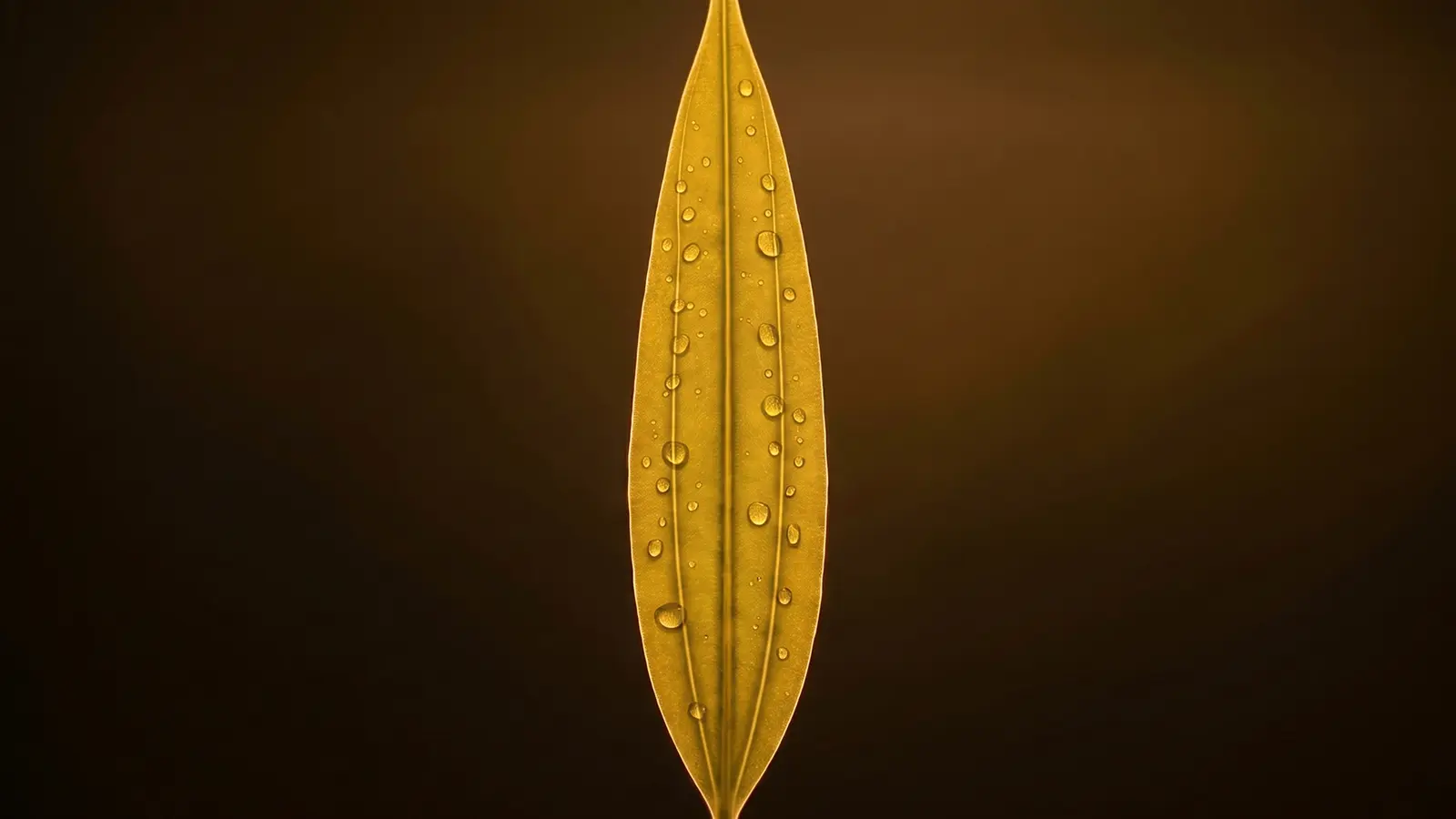
Every benefit covered so far, from the liver to blood sugar to heart health, traces back to one core strength. That strength is this tea’s antioxidant power. That power is worth understanding on its own. Once you understand this one mechanism, the reasons behind every benefit already covered start to make a lot more sense.
The Foundation Behind Every Benefit
Lab tests rank Heen Bovitiya’s total antioxidant content above many common reference standards used in food science. This high antioxidant level comes with a matching anti-inflammatory effect. Scientists have identified three specific enzymes the tea blocks: lipoxygenase, xanthine oxidase, and hyaluronidase. Each one plays a role in swelling, tissue breakdown, or oxidative damage during inflammation.
This antioxidant and anti-inflammatory action is not just one more benefit on a list. It is the foundation underneath nearly everything else in this guide. The liver protection, the blood sugar control, and the heart health support covered earlier all grow out of this same core strength. Ongoing, low-level inflammation is now understood to play a role in many long-term health problems, including heart disease and joint pain. This tea calms inflammation across the whole body, not just in one organ. That gives it a wide-reaching kind of support.
Calming an Overactive Immune System
The immune system protects the body, but it can also overreact. Lab tests show Heen Bovitiya calms an overactive part of the immune system called the complement system. It also reduces the intensity of something called the “respiratory burst,” a burst of activity immune cells use to attack invaders. In plain terms, the tea seems to help turn down excessive inflammation without shutting the immune system off entirely.
This distinction matters. Some anti-inflammatory drugs suppress the immune system so strongly that they raise the risk of infection. A gentler approach, one that only turns down excess inflammation rather than shutting the system off, avoids that particular trade-off.
Early Signs of Brain and Nerve Support
One more area of research deserves a brief, honest mention. It is newer and less developed than the benefits above. It is worth reading as early but promising, not as a settled fact.
In cell studies, Heen Bovitiya’s compounds protected nerve cells from damage caused by oxidative stress. Without protection, about 74 percent of nerve cells survived the damage. With the plant’s compounds added at higher concentrations, survival rose past 99 percent. Researchers also found the tea can partly block an enzyme called cholinesterase, the same enzyme that memory-related medications target. This finding comes only from cell studies so far. It should be read as an early, preliminary sign, not a claim about memory itself. Like the other benefits in this guide, this early nerve-protection signal has the same antioxidant foundation behind it.
Safety, Quality, and Traditional Wisdom
Before trying anything new, safety and quality matter as much as benefits. Here is what the research says, along with a few traditional details that round out the full picture.
Is It Safe to Drink?
Safety testing on Heen Bovitiya has been thorough, and the results are reassuring. In standard animal safety studies, researchers found no toxic effects even at doses up to 2,000 milligrams per kilogram of body weight. That is far beyond what anyone would ever consume in a normal cup of tea. A separate early screening test, done on brine shrimp, also confirmed the extract as non-toxic under standard scientific classification. Again, the toxic threshold was many times higher than anything a tea drinker would realistically reach.
On medication interactions: Heen Bovitiya’s main compounds do not appear to interfere with the liver’s main drug-processing system. This makes it unlikely to interact dangerously with most common medications. Even so, anyone taking prescription medication, especially for liver conditions or diabetes, should check with a doctor first. This is simply because the tea’s own effects on those same systems could add to a medication’s effect.
On kidney health and pregnancy: Kidney health is another area worth noting. Across multiple human trials covered in this guide, a key marker of kidney function, called creatinine, stayed completely normal. This held true even with extended daily use. For pregnant or breastfeeding women, the research reviewed here does not give a clear answer either way. Checking with a doctor first is the safest approach, as it is with any new herbal tea.
How to Make Sure You’re Getting the Real Plant
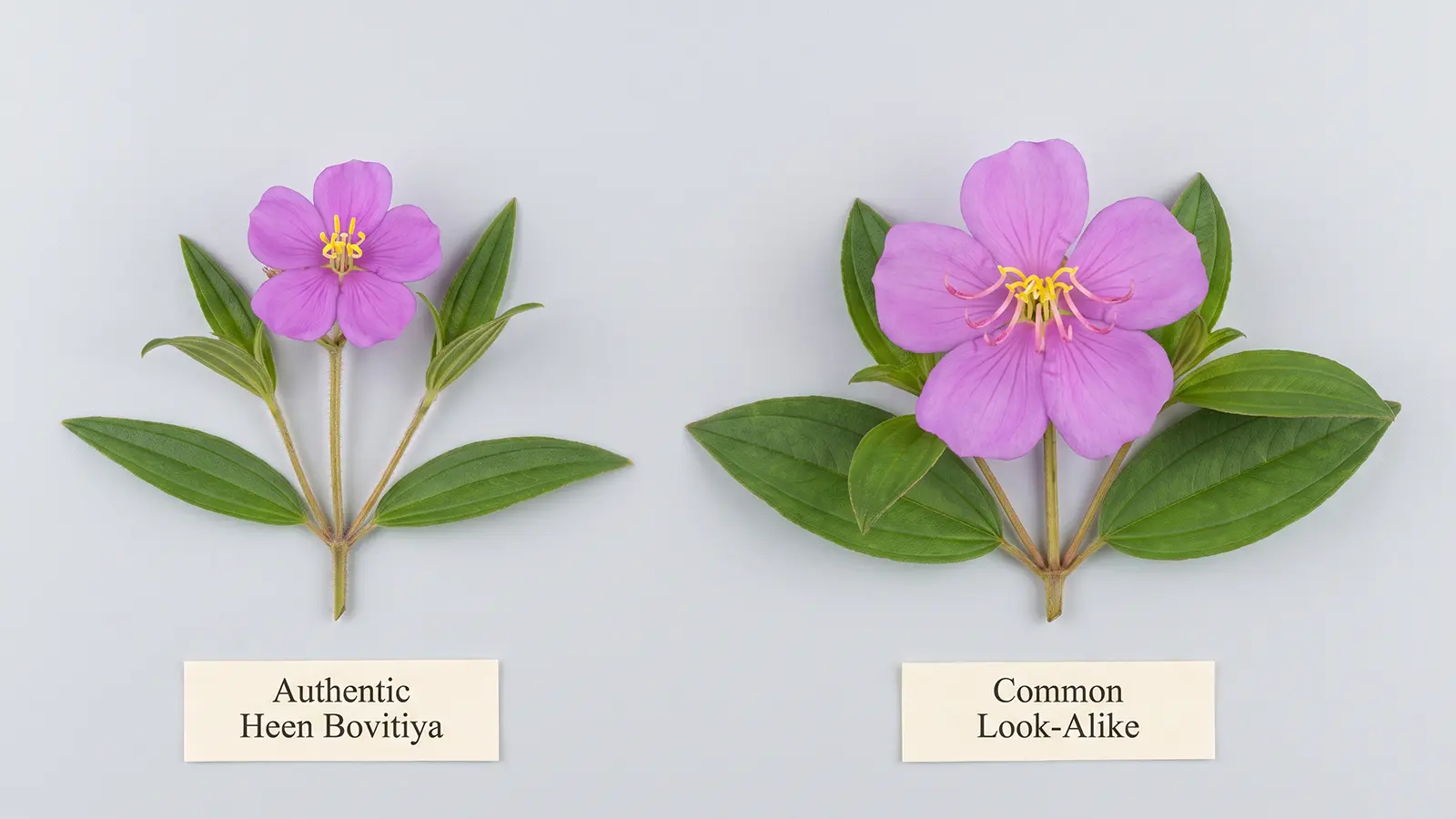
Quality matters just as much as safety. In the raw herbal market, Heen Bovitiya is sometimes confused with two look-alike species, Osbeckia aspera and Melastoma malabathricum. Neither of these look-alikes carries the same documented benefits. This kind of mix-up is a documented, known issue in the herbal trade, not a rare concern. It is one more reason to buy from a source that tests and verifies what actually goes into the package. That is safer than relying on unverified, foraged material.
A Traditional View That Still Holds Up
Traditional Sri Lankan medicine describes Heen Bovitiya’s taste as a mix of sour, sweet, astringent, and bitter. It also describes the plant as having a heavy, oily quality and a cooling effect on the body. Healers believed this pairing, a cooling effect combined with a scraping action, was exactly why the plant worked so well. The idea was that it cleared out heat, toxins, and stagnant fat from the body’s channels.
Traditional healers also made the leaves into a topical paste for gout-like joint pain. This shows the plant’s traditional use went beyond just tea and porridge. One well-known traditional porridge, called Kola Kenda, combines fresh leaf juice with coconut milk and red rice. It is traditionally eaten first thing in the morning. The tea itself remains the most studied and most practical way to use this plant today. That is especially true when it comes to heen bovitiya tea benefits specifically.
Conclusion
Heen Bovitiya tea connects centuries of Sri Lankan tradition with modern clinical research. What began as a simple home remedy for liver trouble is now backed by hospital trials, animal studies, and detailed lab testing.
The heen bovitiya tea benefits covered in this guide span the whole body. Liver protection remains the strongest and best-studied benefit, backed by two separate human trials. One of those trials showed 88.5 percent of tea drinkers improved on liver scarring scores. Blood sugar support followed a similar pattern in its own dedicated trial, with average fasting blood sugar dropping by about 13 mg/dL. Heart health improvements, including lower triglycerides and better cholesterol numbers, showed up in those same studies. All three benefits share the same antioxidant foundation running through every section of this guide.
None of these benefits matter much if the tea is brewed the wrong way or comes from an unreliable source. Brewing at about 80 degrees Celsius for a full seven minutes, rather than using boiling water, pulls out the most benefit. The safety research reviewed here, including standard toxicity testing and multiple human trials, gives solid reassurance for daily use. Kidney function stayed normal throughout every trial reviewed.
Heen Bovitiya tea is not a cure or a replacement for medical care. It is, however, a well-studied, centuries-old addition to a health-conscious routine, one supported by traditional wisdom and modern clinical trials alike. Brewed the right way and enjoyed consistently, it offers measurable support for the liver, blood sugar, and heart. All of that comes from one simple, golden-brown cup.
Frequently Asked Questions
Q: How much Heen Bovitiya tea should I drink each day?
A: The clinical trials in this guide used different amounts. One liver study had patients drink 6 grams of tea every other day. A separate blood sugar study used two spoonfuls of leaf powder, steeped in warm water, twice a day. For general wellness, one to two cups a day is a reasonable starting point. Brewing it using the method in this guide follows a similar pattern to what these trials tested.
Q: What is the best way to brew it?
A: Heat water until it just stops boiling, then let it sit for one to two minutes. This brings it down to about 80 degrees Celsius. Pour it over the tea and let it steep for a full seven minutes. Dunk the bag a few times along the way. This method, tested directly against boiling water, pulled out the highest amount of antioxidant benefit in research covered earlier in this guide.
Q: Is it safe to drink every day?
A: Yes, based on the research covered in this guide. Standard toxicity testing found no harmful effects even at doses far beyond a normal cup of tea. Kidney function also stayed normal across multiple human trials with daily and near-daily use. Anyone taking prescription medication, especially for liver conditions or diabetes, should still check with a doctor first.
Q: Can it really help with fatty liver disease?
A: Early evidence looks promising. In a sixteen-week hospital trial of 122 patients with fatty liver disease, 88.5 percent of tea drinkers showed improvement in liver scarring scores. Only 73.3 percent improved in the group that did not drink the tea. A separate capsule trial also showed a visible reduction in liver fat on ultrasound. Heen Bovitiya tea is not a replacement for medical treatment, but the clinical evidence for liver support is genuinely strong.
Q: Does it help control blood sugar?
A: Yes, in more than one way. Lab tests show it strongly blocks an enzyme the body uses to release sugar from food during digestion. A clinical trial of thirty patients also found a clear effect. Drinking it twice daily for one month lowered average fasting blood sugar by about 13 mg/dL. Liver function stayed normal throughout that trial as well.
Q: Who should check with a doctor before drinking it?
A: Anyone currently taking prescription medication, especially for liver conditions or diabetes, should check first. The tea’s own effects on those systems could add to a medication’s effect. Pregnant or breastfeeding women should also check with a doctor. The research reviewed here does not give a clear answer for that specific group. For most other healthy adults, the safety research reviewed in this guide is reassuring.
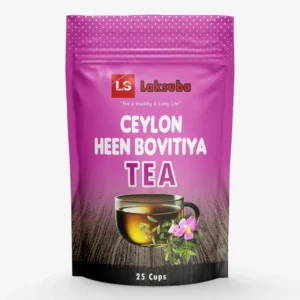
Ready to try it yourself? Heen Bovitiya Tea Bags are available in the Laksuba shop. They are ready to brew exactly the way this guide describes.